When we talk about our team’s work in the North, it all starts with building real, meaningful relationships. This means connecting with community members and research partners in a way that’s genuine, respectful, and lasting. My work is all about bringing youth voices into the conversation, especially when it comes to creating a sustainable food system in Sambaa K’e First Nation. Here are some of the ways that I work to foster relationships with youth both in and out of my research and some lessons that I’ve learned along the way.
Understanding Youth Perspectives
To build a sustainable food system that truly serves the community, it’s essential to include the voices of the younger generation. Youth in Sambaa K’e First Nation bring unique perspectives shaped by their experiences, cultural heritage, and aspirations for the future. Listening to these perspectives is not just about hearing their ideas—it’s about valuing their contributions as critical to the success of our work.
By actively listening to youth, we learn what matters most to them. Whether it’s protecting traditional hunting and fishing practices, addressing concerns about food security, or exploring new agricultural opportunities, their insights are invaluable. When youth feel that their voices are heard and respected, they become empowered to take ownership of the initiatives that impact their future.
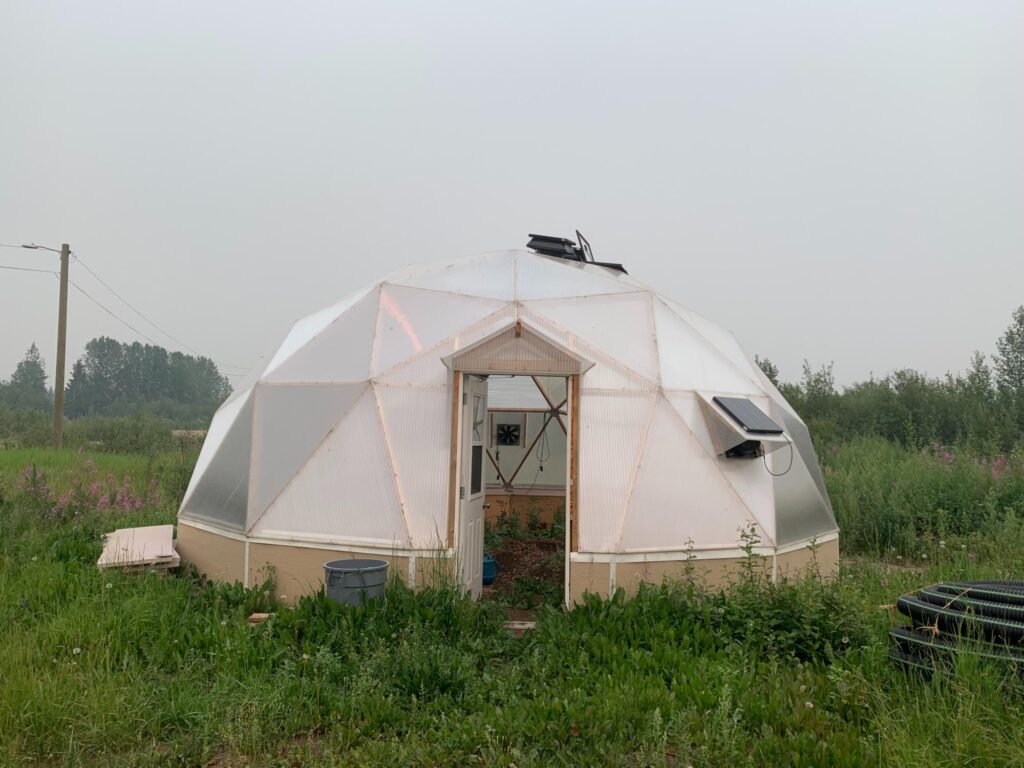
The school's “dome greenhouse”. Where youth take part in starting seeds, planting seedlings and taking care of plants.
Meeting Youth Where They’re At
One of the key lessons we’ve learned in Sambaa K’e is the importance of meeting youth where they are—both literally and figuratively. This means engaging with them in spaces where they feel comfortable, whether that’s in the community rec center, school, or out on the land. It also means understanding the challenges they face and being flexible in our approach.
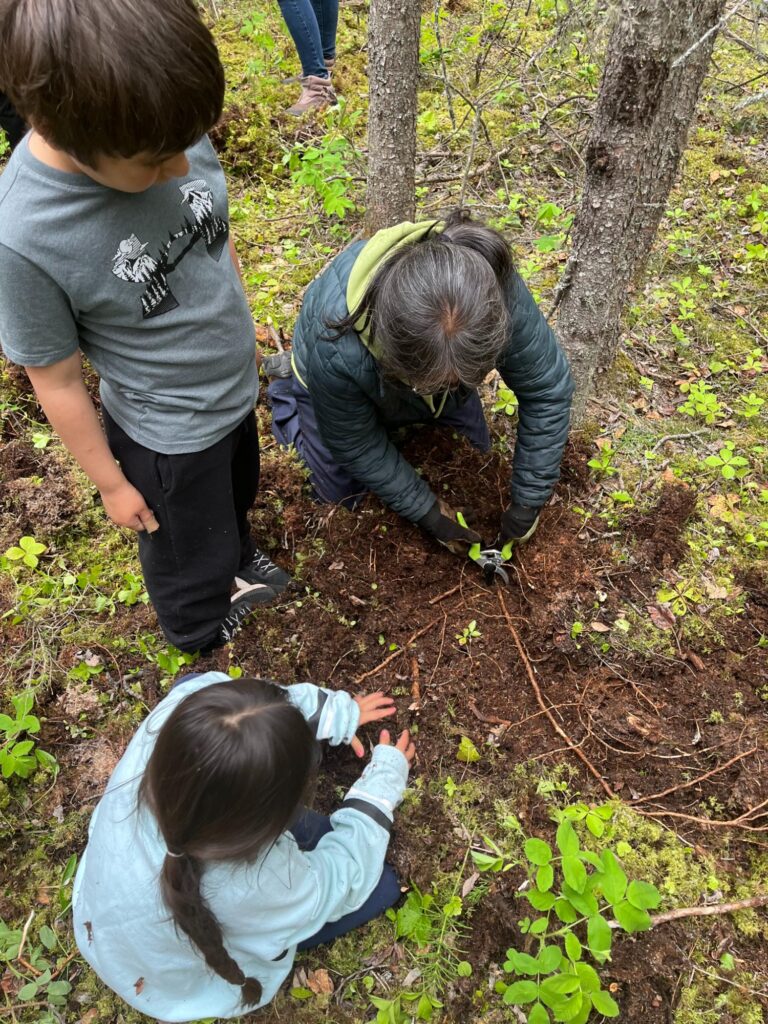
An elder teaching youth how to harvest spruce roots at the spring culture Camp
Sustaining Long-Term Relationships
Building trust takes time, and sustaining these relationships over the long term is crucial. This goes beyond just the duration of a project—it’s about creating a lasting partnership that continues to grow and evolve. For the youth in Sambaa K’e, knowing that we’re here for the long haul makes a difference. It shows that we’re not just interested in short-term outcomes but in the long-term well-being of their community.
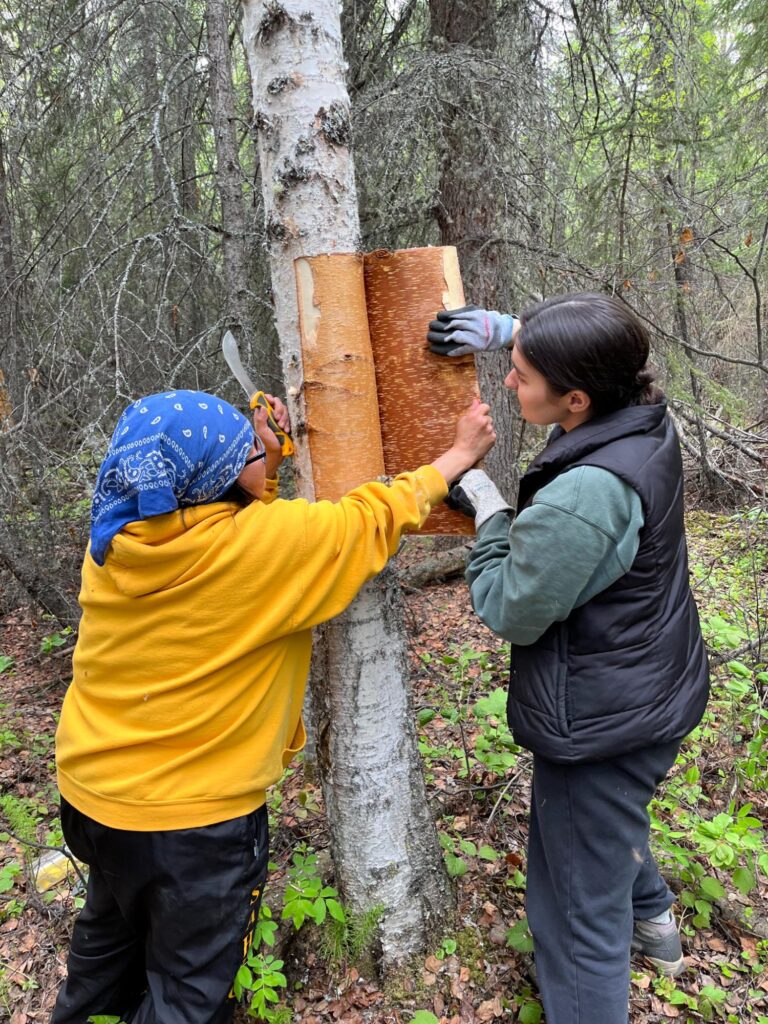
Harvesting birch bark with the help from a community member
By understanding youth perspectives, meeting them where they are at, and sustaining these relationships over the long term, we can co-create a sustainable food system that reflects the values and needs of the entire community. As we move forward, these connections will continue to guide us, ensuring that our work is both impactful and meaningful.