Postdoctoral Fellow
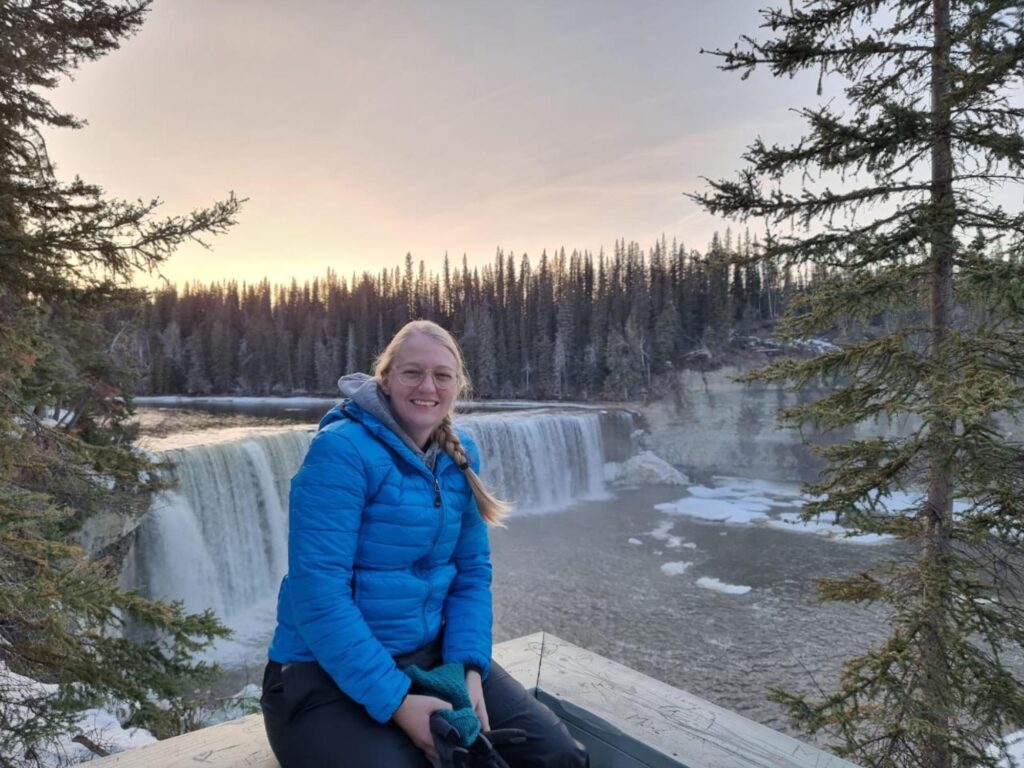
Jennifer is a rural planner with a expertise in sustainable agriculture and participatory research methodologies. She works in Kakisa, NWT with the Ka'a'gee Tu First Nation to plan and implement food systems projects that combine asset-based planning tools with Dene worldviews and agroecology principles to advance communities goals of self-determination, food sovereignty and holistic well-being.
Postdoctoral Fellow
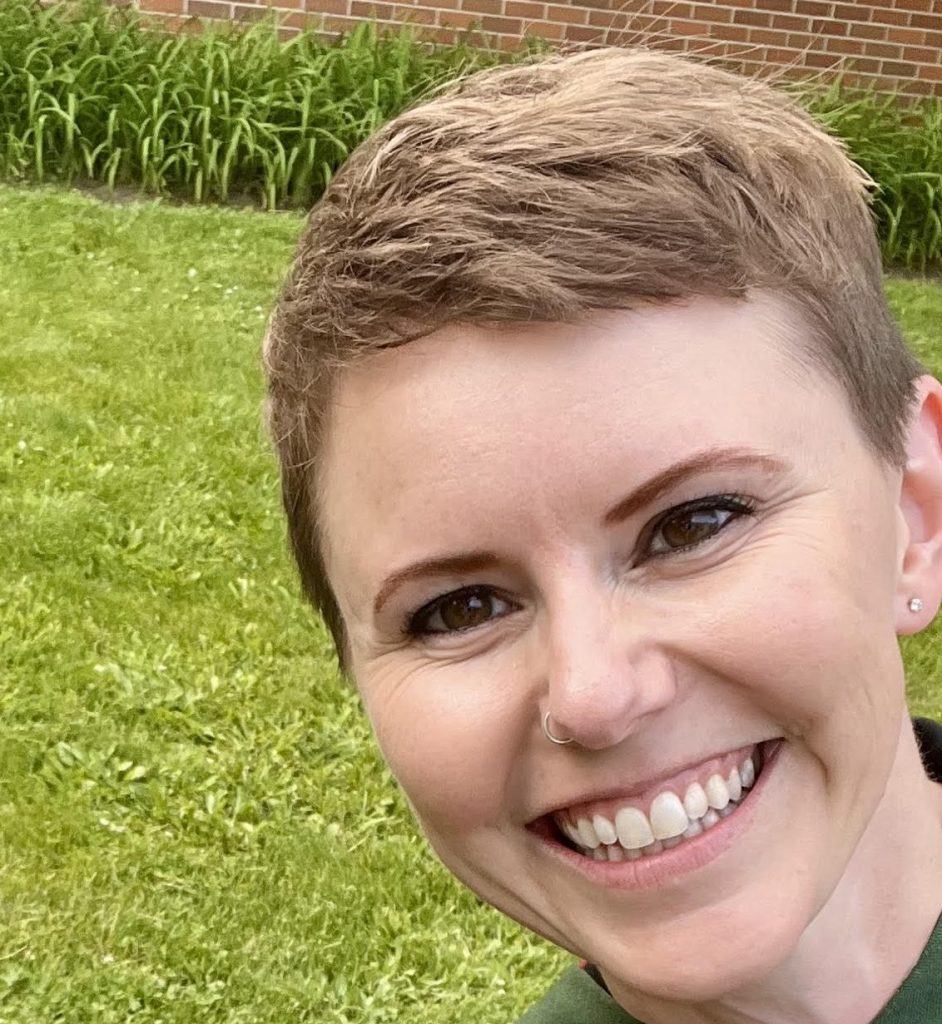
Jules’ research interests are reflective of the complexity of food systems. Jules is passionate about the health and wellbeing of people, communities, and ecosystems. Jules recognizes the value of food for connection, including with people and place, and from a personal to societal level. Specific areas of focus have included: Indigenous and northern food systems, food security, food sovereignty, health equity, and veganism. Jules’ academic background includes public health, community health, and environmental science.
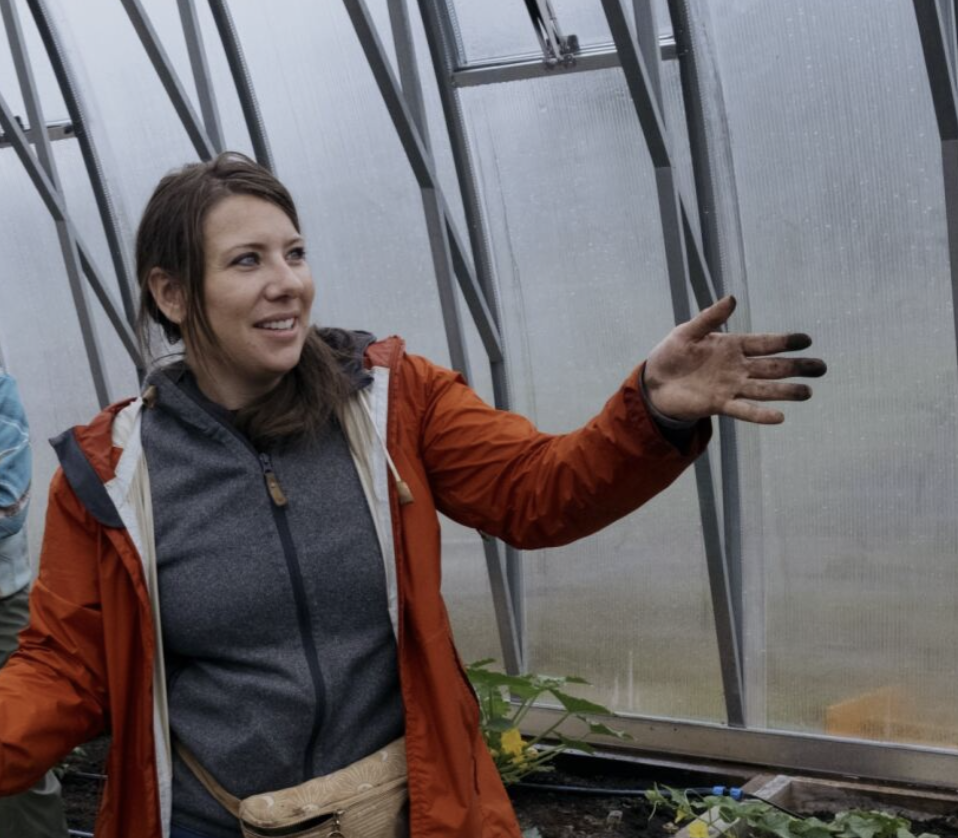
Research Associate
Megan is a distiller of information (and sometimes plants) with a passion for solving puzzles and using data to turn simple questions into complex systems-level analyses in the name of efficiency. She holds a PhD in Experimental Psychology from McGill University and for six years, served as Vice President of Research & Insights at a data science & analytics consultancy specialized in supporting public advocacy and political campaigns internationally. A lifelong northerner, Megan lives in Yellowknife where she works as a Research Associate with the Future Harvest Partnership and runs a small business foraging plants from the boreal forest to create practical products for everyday NWT living.
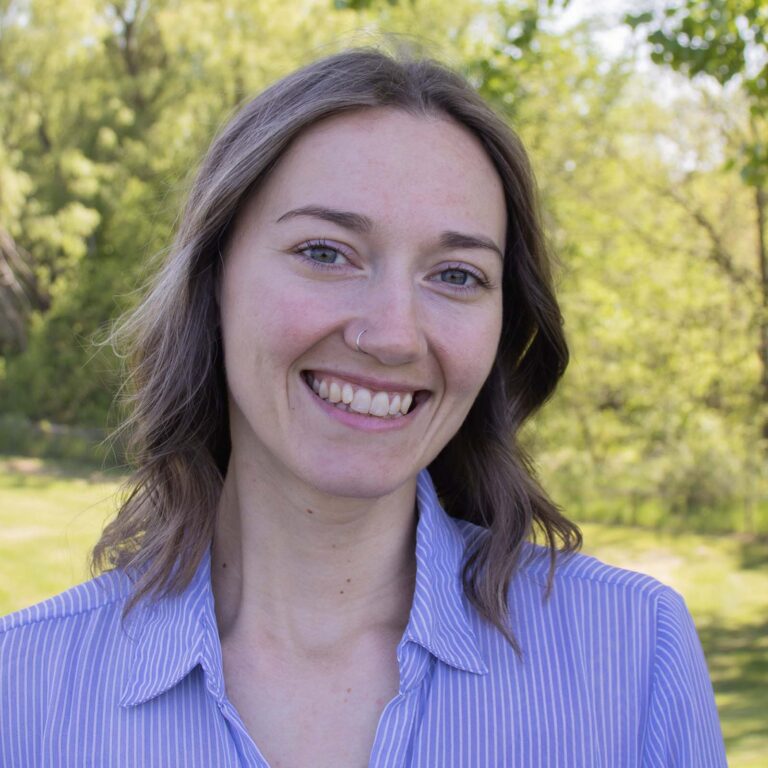
Project Coordinator
Liz supports the NSFSRG as the Project Coordinator with the Laurier Centre for Sustainable Food Systems. She keeps projects moving forward and steps into support areas where she is needed. She holds a MSc. In Applied Human Nutrition from the University of Guelph, and a Bachelors from Western University in Health Sciences. She brings prior project management experience in community-research relationships that have focused on land-based learning and food sovereignty in Waterloo Region. As an advocate for sustainable food systems, outside of work you can find her tending to her community garden plot or serving on local non-profit boards.
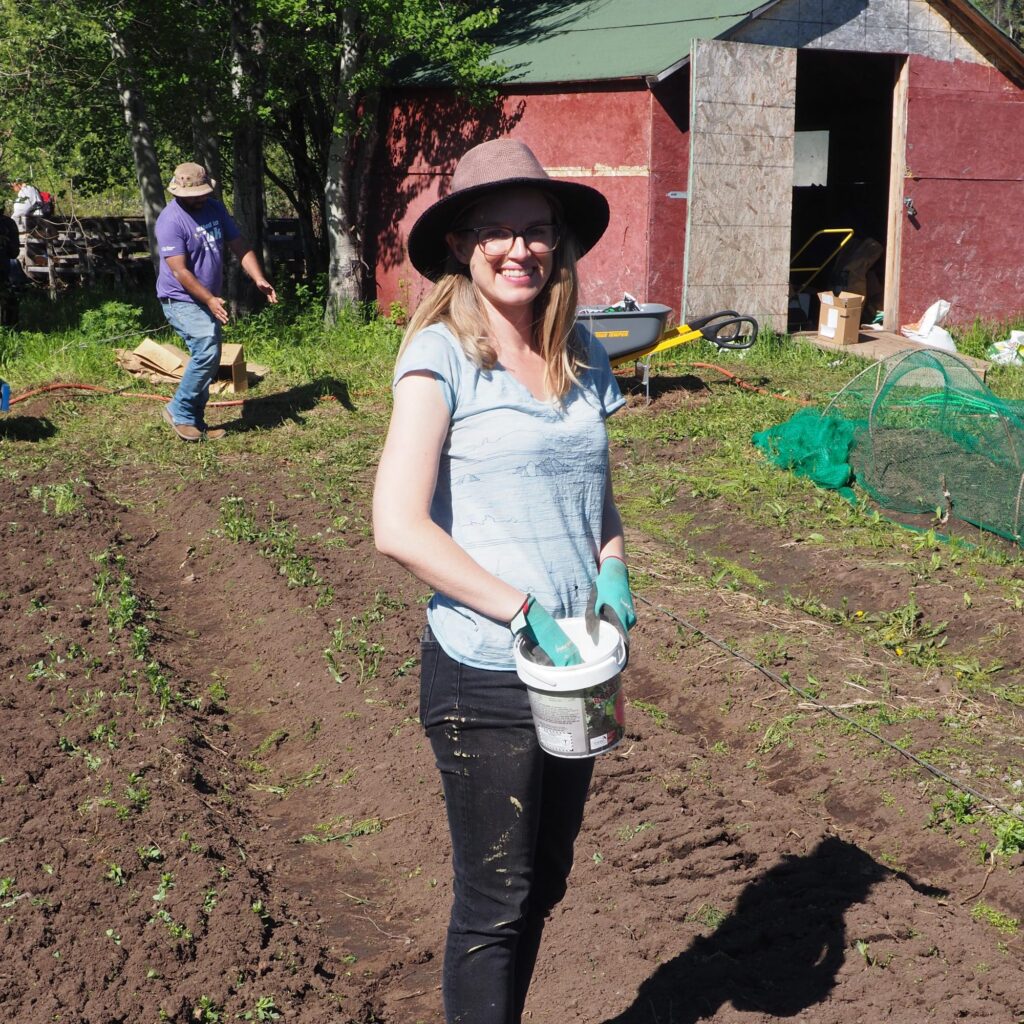
PhD student
Carla Johnston is a 2024-2025 Polar Knowledge Canada Fellow and a specialist in community-based participatory action research, Indigenous rights, and food systems governance from the local to global scale. She has 9 years of experience in political advocacy, community-level planning, and policy analysis in the Northwest Territories, Canada (NWT) and at the United Nations Committee on World Food Security. Carla's research focuses on building trust-based relationships to co-create knowledge with, by and for Indigenous Peoples. Carla was a SSHRC Joseph-Armand Bombardier Canada Graduate Scholarship recipient and is affiliated with the Balsillie School of International Affairs, UNESCO Chair on Food, Biodiversity and Sustainability Studies, Laurier Center for Sustainable Food Systems, and the Civil Society and Indigenous Peoples Mechanism for the United Nations Committee on World Food Security.

PhD Student
Calin’s (kuh-lean) research is focused on strengthening and evaluating food systems within the Northwest Territories in the face of climate change stressors. Specifically, his work focuses on the three dimensions of a Northern Indigenous Food System: traditional food, market food, and community-procured/grown food. By analyzing community initiatives, policies, and practices that impact each dimension of the food system, Calin will determine the steps communities need to take to ensure their food system is localized, rooted in food sovereignty, and resilient, thus ensuring they are working towards sustainability.
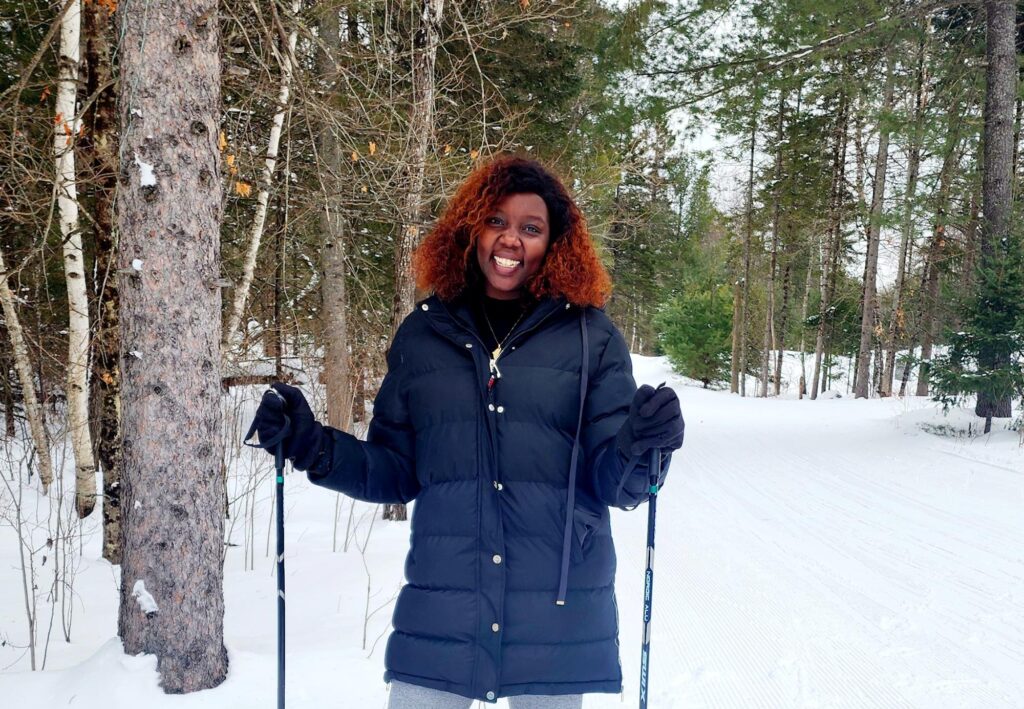
Masters student
Susan is a 2nd year Masters Student.She is passionate about leveraging Participatory GIS for sustainable food systems. With a keen interest in participatory mapping, she aims to explore the intricate relationship between Indigenous communities and their food systems. By focusing on Kakisa (NWT) her research seeks to document traditional food harvesting practices, identify environmental and land use changes, and contribute to community-led initiatives such as the Ka'a'gee Tu Atlas for food security and cultural preservation.
Masters student
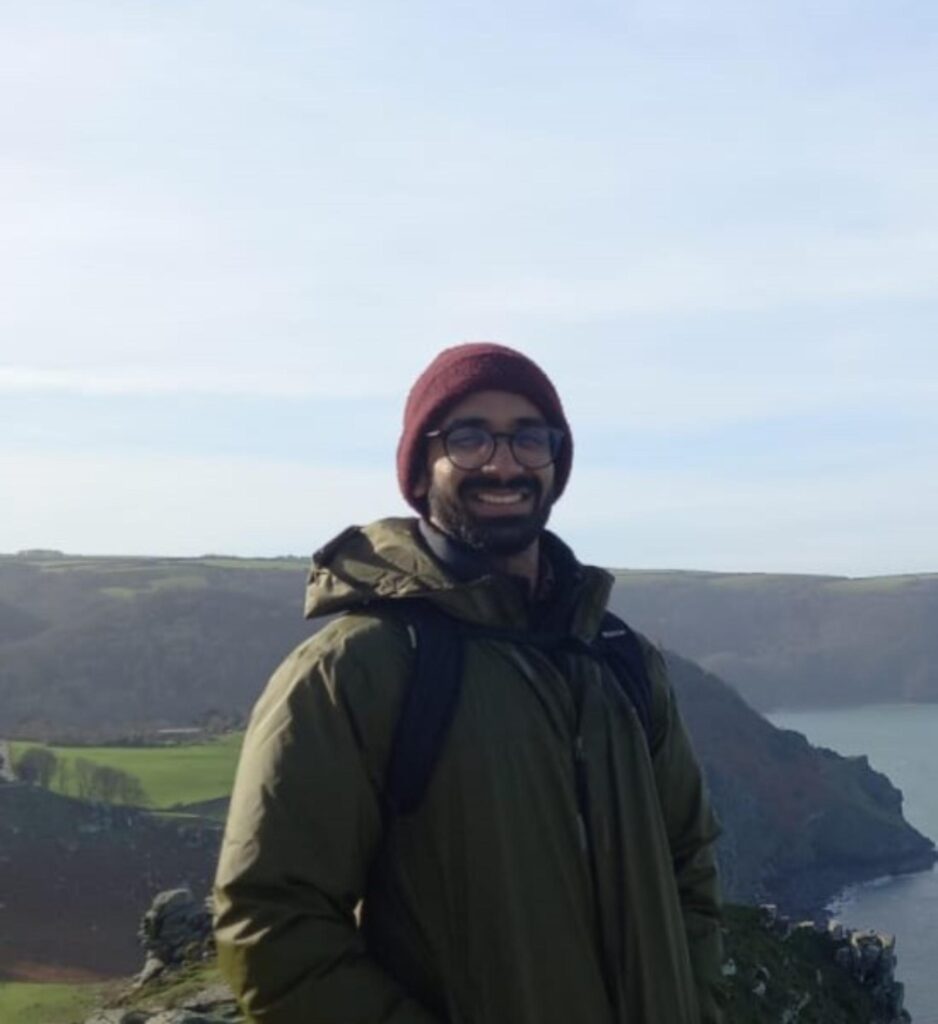
Narayan (Nuh-ryan) is a Master of Environmental Studies Student with a background in mathematics and business administration. He is grateful to work with Sambaa K'e First Nations in Northwest Territories on their food security and food sovereignty efforts. His research is primarily around fitting the retail food model to meet the needs of Northern sustainable food systems as determined by Indigenous communities. Besides this primary focus, he is involved with improving northern food policy and editing food systems podcasts.
Masters student
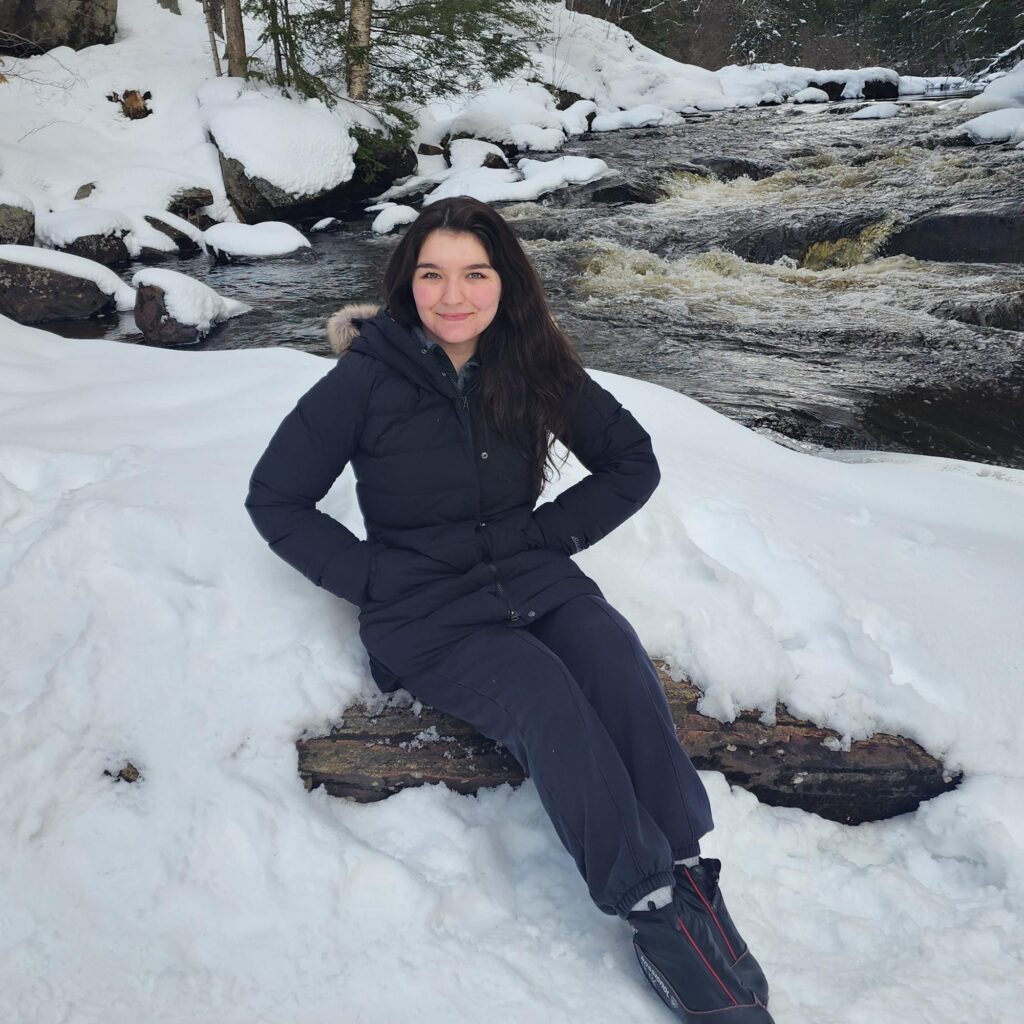
Danielle is a second-year Masters student in the Department of Geography and Environmental Studies at Wilfrid Laurier University. Her work centers on integrating youth perspectives into the development of sustainable food systems in Northern communities, particularly Sambaa K’e First Nation. By employing a collaborative, community-led approach, Danielle’s research not only addresses food security challenges but also aims to empower younger generations to play an active role in fostering a food system that is representative of their needs, aspirations, and cultural values.

Masters student
Jie-Soo Park is a second year MA student from Waterloo, Ontario. Jie-Soo graduated with honours from Wilfrid Laurier University in 2024 with a BA in Political Science and a minor in Sociology. Her research interests are food insecurity and establishing sustainable food systems through community consultation and systems analysis. Her interests build on her work in the non-profit sector serving food insecure populations in the Region.
Research Assistant
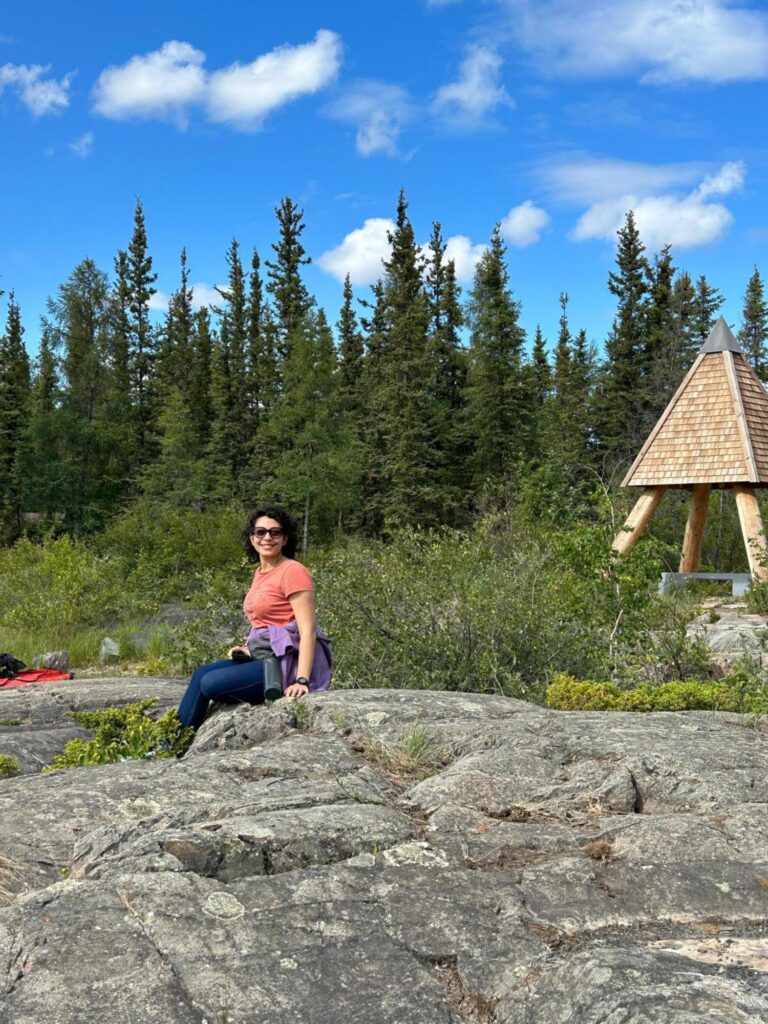
Sheyda is a research assistant specializing in spatial analysis and mapping projects that support community-focused initiatives. Her work includes collaborating with the self-governed community of Deline in the Northwest Territories, mapping traditional knowledge and creating local spatial data systems. Sheyda also contributes to the Nutrition North Canada project, where she conducts spatial analyses to evaluate food security subsidies in remote Indigenous communities. Her research is driven by a commitment to enhancing sustainability and supporting local communities through data-driven solutions.
Research Assistant
I am a third-year Environmental Studies major with a minor in Women’s and Gender Studies, aiming to pursue a career in Law with a Focus on Environmental Law. I participate in the Geography Environmental Studies Students Association club (GESSA) and serve as a mentor in the Women in Leadership Laurier club (WILL). In my free time, I enjoy staying active at the gym, spending time with friends, and cooking or baking.
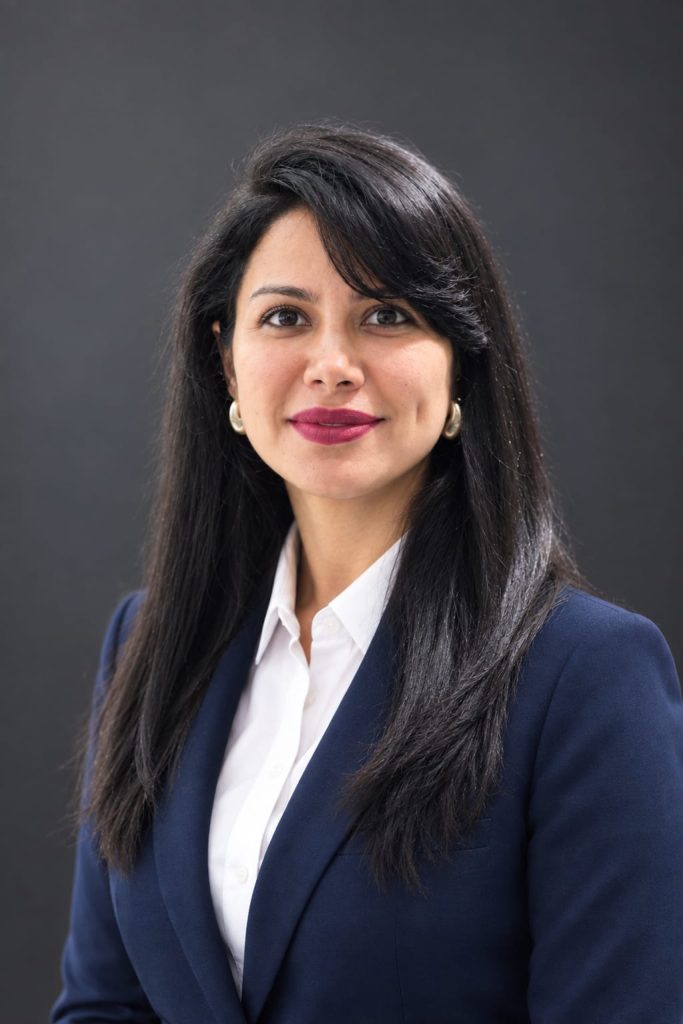
Phd Student
Elnaz is a PhD student whose research focuses on climate-driven changes in northern freshwater ecosystems and their implications for Indigenous food sovereignty in the Northwest Territories. She brings over a decade of experience in fisheries research and laboratory management, combined with an interdisciplinary background in environmental data analysis and geospatial technologies. Her research uses participatory mapping, GIS, and satellite remote sensing to support community-led environmental monitoring. By bringing together spatial data and local harvester knowledge, she aims to support the protection of traditional harvesting practices and strengthen Indigenous food sovereignty. What excites Elnaz most about her research is the opportunity to bring scientific data and community knowledge together through participatory mapping. She is particularly interested in co-developing practical tools that reflect local priorities and directly support Indigenous food sovereignty. She previously completed a Master of Environmental Studies in Geography; a M.Sc. in Fisheries Sciences; and a B.Sc. in Fisheries Engineering and Natural Resources.
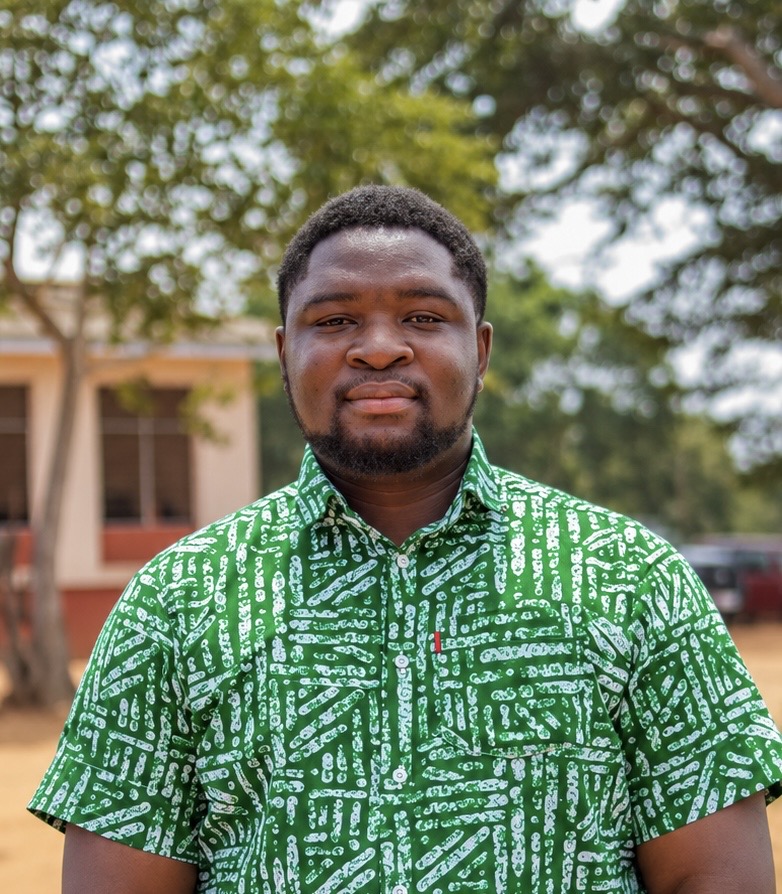
Masters Thesis Student
Frederick Mahama is a master’s thesis student pursuing a MPhil Climate Change and Sustainable Development at the University of Ghana. His research interests focus on food security, sustainable food systems, and identifying innovative solutions to improve the sustainability of food production. Frederick’s current research examines irrigation potential among smallholder vegetable farmers in Navrongo, Ghana, exploring opportunities to strengthen agricultural productivity and climate resilience. He is also interested in sustainable production systems, resource efficiency, and renewable energy, particularly their role in advancing climate resilience and sustainable development. He is most excited by the opportunity to contribute to food security and sustainable food production in his own community. What makes Frederick’s work meaningful to him is knowing that his research can help address real agricultural challenges, improve farmers' livelihoods, and build resilience to climate change. He previously completed a Bachelor of Science in Marine Science, also at the University of Ghana.
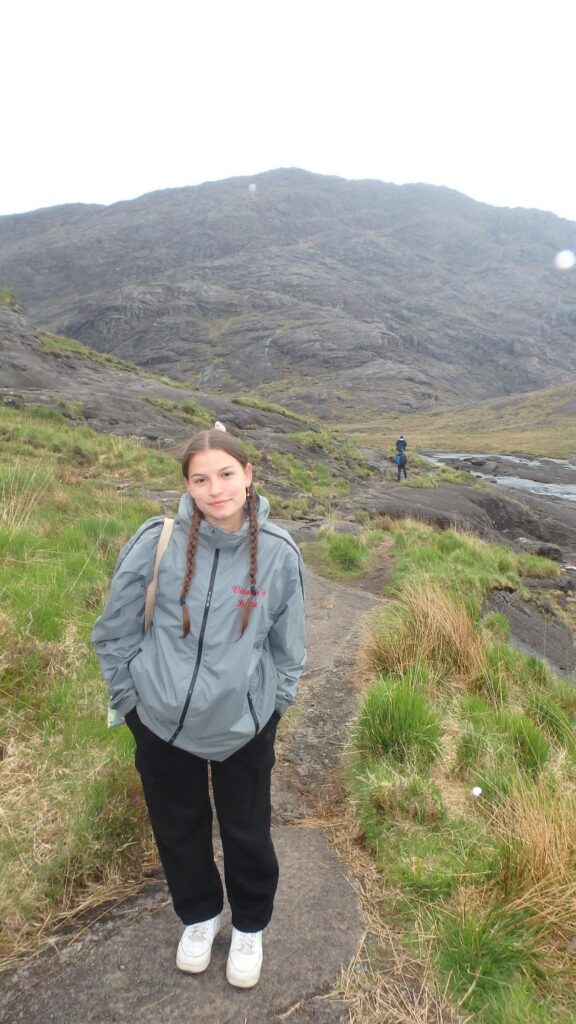
Research Assistant
Danielle is an undergraduate Geography student at Wilfrid Laurier University. She worked as a research assistant in Kakisa, NWT in summer 2024 helping to grow food in the communities' greenhouse and garden to work towards creating a sustainable food system. Her interests lie in the water levels and quality up north and its effect on the community.
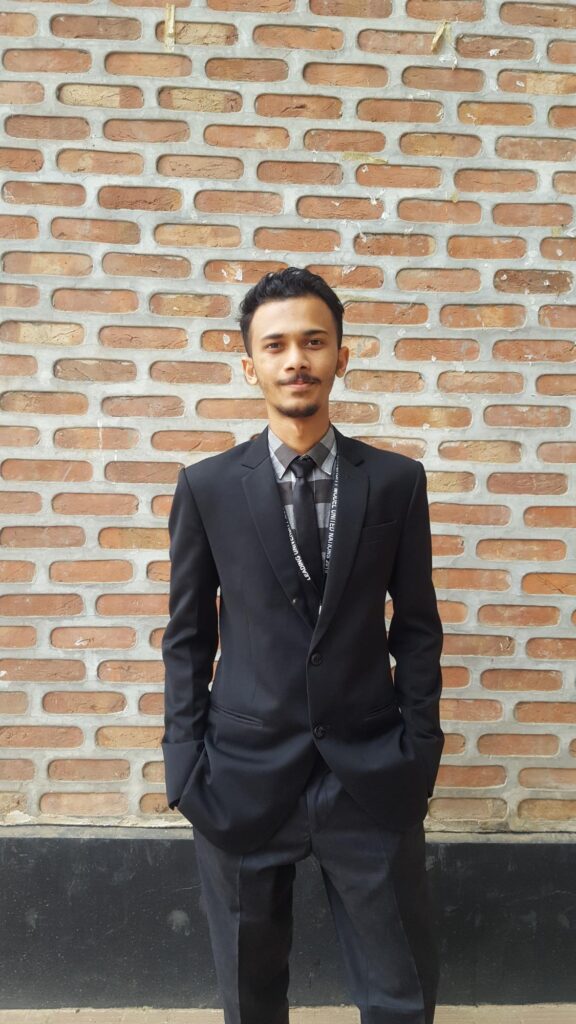
Research Assistant
Born with the innate ability to overthink even the simplest tasks, Fahim can often be found pondering the deep mysteries of life, like how to microwave pizza without turning it into molten lava.
Undergraduate Thesis
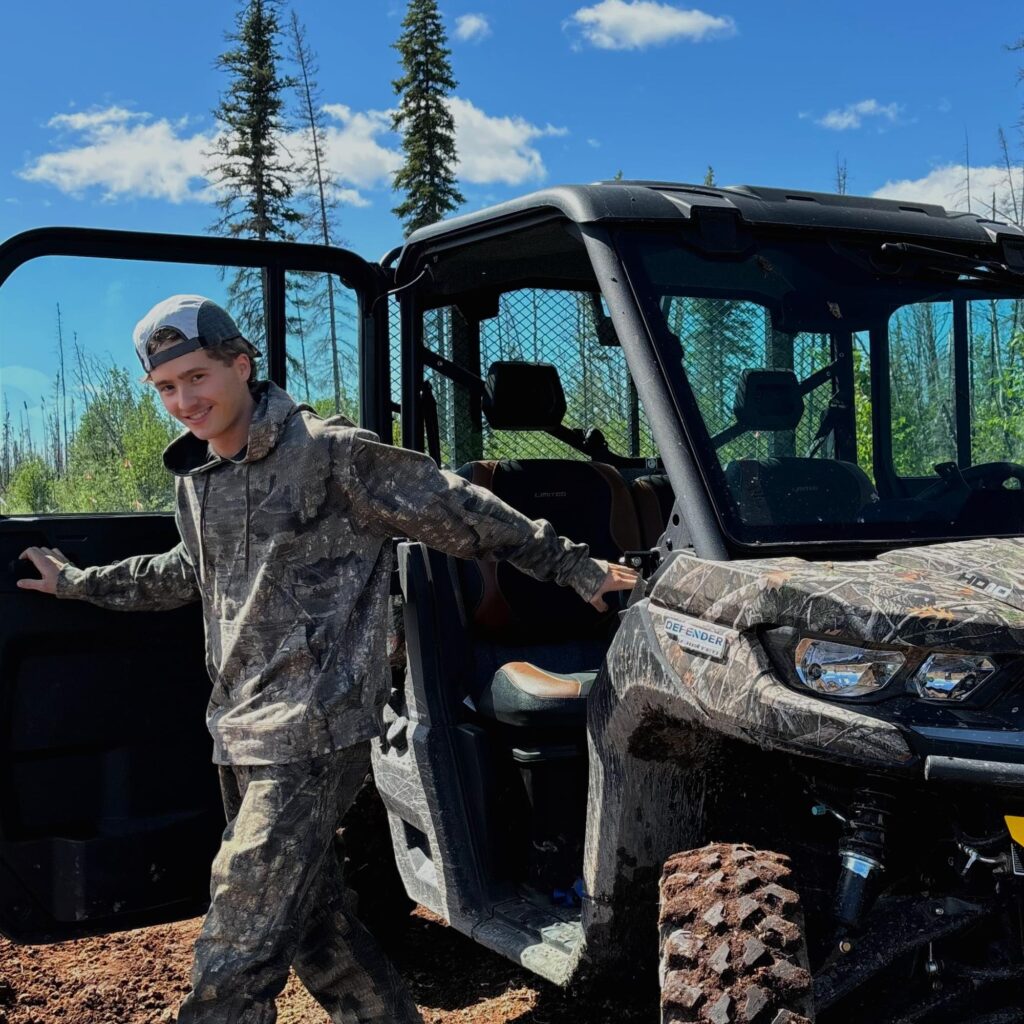
Justin is a fourth-year Environmental Studies student who is passonate about sustainable waste management. His research focuses on composting in remote communities. He spent a summer in Kakisa, NWT, where he worked with Ka'a' gee Tu First Nation to push forward their composting system to meet the community's needs. Currently, he is working on his undergraduate thesis, using these experiences to develop a framework to help other communities implement similar initiatives.
Undergraduate Thesis
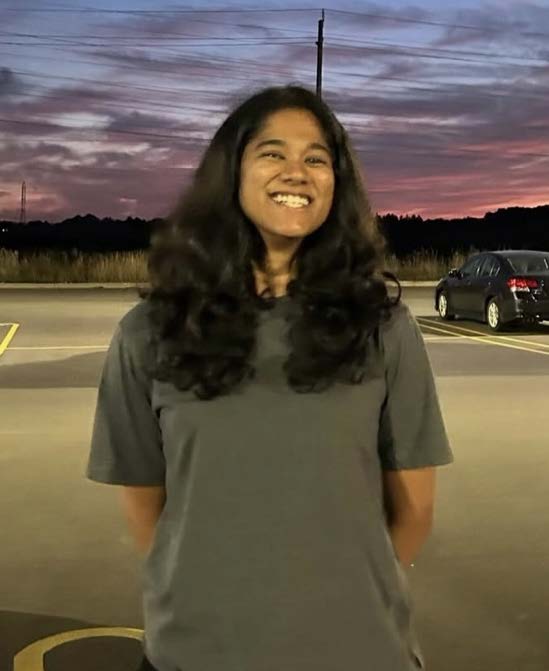
Gayathri is a third-year undergraduate student in Environmental Studies at Wilfrid Laurier University. Passionate about human geography, she enjoys exploring how people interact with their environments and loves working with maps to visualize spatial relationships. She recently completed an independent study under Dr. Spring, where she deepened her understanding of environmental and geographic research methods. Gayathri is looking forward to travelling north to Fort Smith in the summer of 2026 to gain hands-on field experience and expand her knowledge of northern environments.

Research Assistant
Yisu Chen is a Master of Environmental Studies student at Wilfrid Laurier University. His research interests lie at the intersection of geospatial artificial intelligence (GeoAI), remote sensing, and environmental data science. He is particularly interested in developing reliable and interpretable AI systems that integrate geospatial data, large language models (LLMs), and spatial reasoning to address complex environmental challenges. He is excited about pushing the boundaries of AI and geospatial technologies to tackle complex, real-world environmental challenges and driven by the potential to develop reliable, innovative solutions that transform complex spatial data into actionable insights and better decisions. Yisu previously completed an Honours Bachelor of Science at the University of Toronto.
Masters student
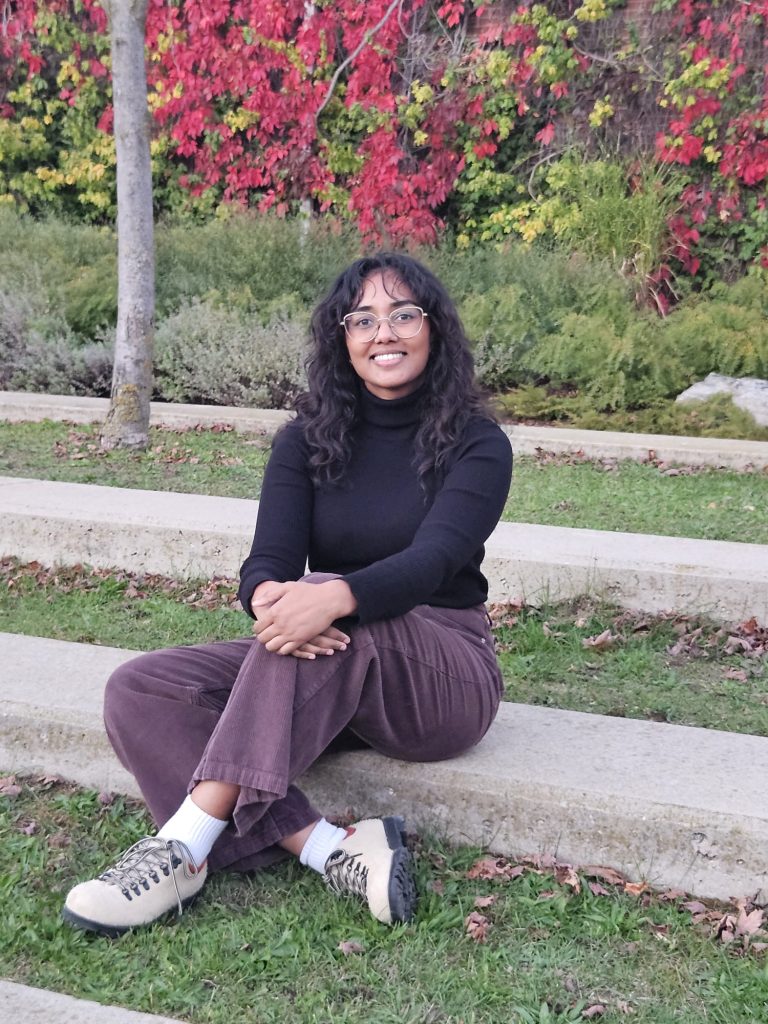
Nicole Subryan is a Masters student at Wilfrid Laurier University. She is interested in research on local solutions to building climate resilient cities and local waste-to-resource solutions for cities. She spent spring 2026 in Yellowknife learning about the centralized municipal composting program and using compost to grow food in the North by attending school gardening activities with Ecology North. Nicole graduated from the University of Guelph with a B.Sc. in Microbiology and has previously worked in plant agriculture labs.
Postdoctoral Fellow
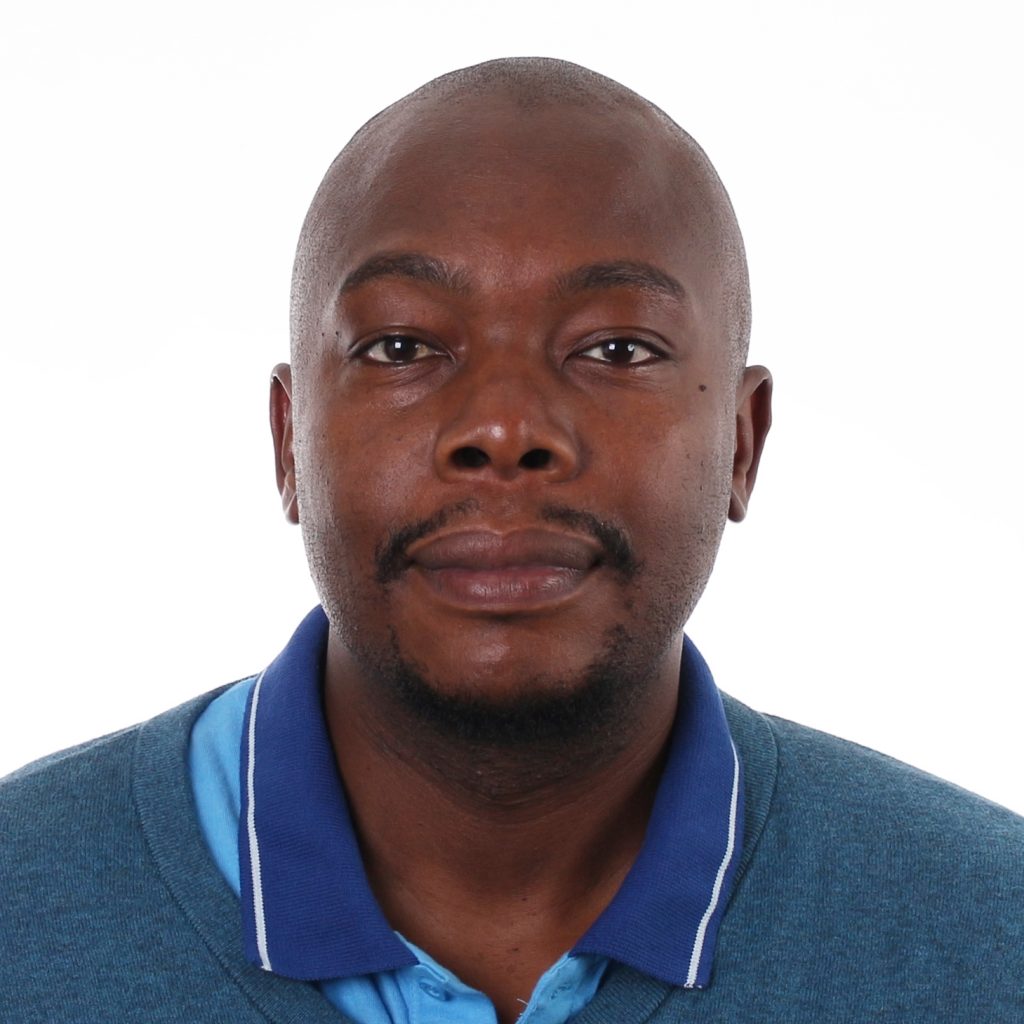
Saul Ngarava is a postdoctoral fellow at Wilfrid Laurier University. He is focussed on sustainability research focusing on households and communities and particularly interested in agricultural practice and economics, welfare economics, water-energy-food security, governance and social justice. In the NSFSRG, his research is funded by the SSHRC through the Canada Impact+ Research Training Awards (CIRTA+) and focusses on Indigenous food systems in the Northwest territories, particularly on policy integration and social return on investment in food initiatives. He received his PhD and MSc in Agricultural Economics at the University of Fort Hare, Alice, South Africa; a Master of Business Administration from the National University of Science and Technology, Bulawayo, Zimbabwe; and a BSc Honors in Agricultural Economics from the University of Zimbabwe.
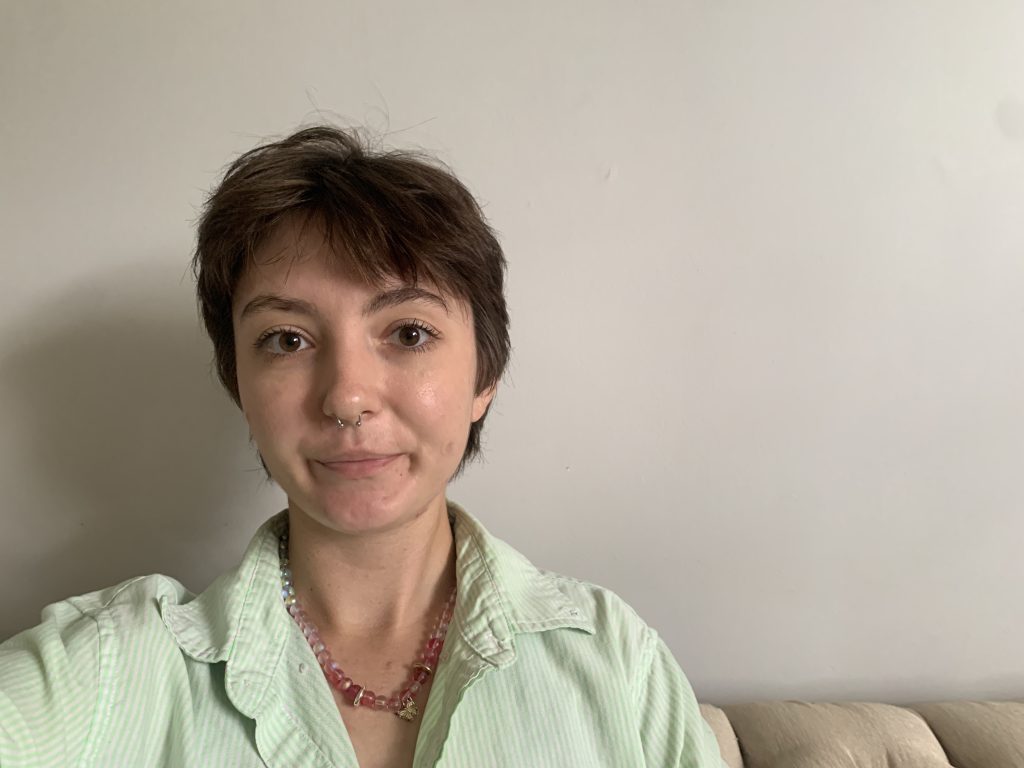
Masters Student
Abigail Rideout is a first-year Masters student in Environmental Studies at Wilfrid Laurier University. She is interested in researching local food systems in the Waterloo region, with a specific focus on school food programs and including food literacy in the curriculum. Her research interest stems from an interest in food insecurity and creating sustainable food systems through education. Abigail has experience in agriculture and education with the Toronto District School Board. She enjoys teaching young students about the food system and encouraging agency and advocacy at a young age, and believes creating a more holistic school food program will increase awareness among youth. She previously earned a Bachelor of Arts at Queen's University and a Diploma in Culinary Management at George Brown College.
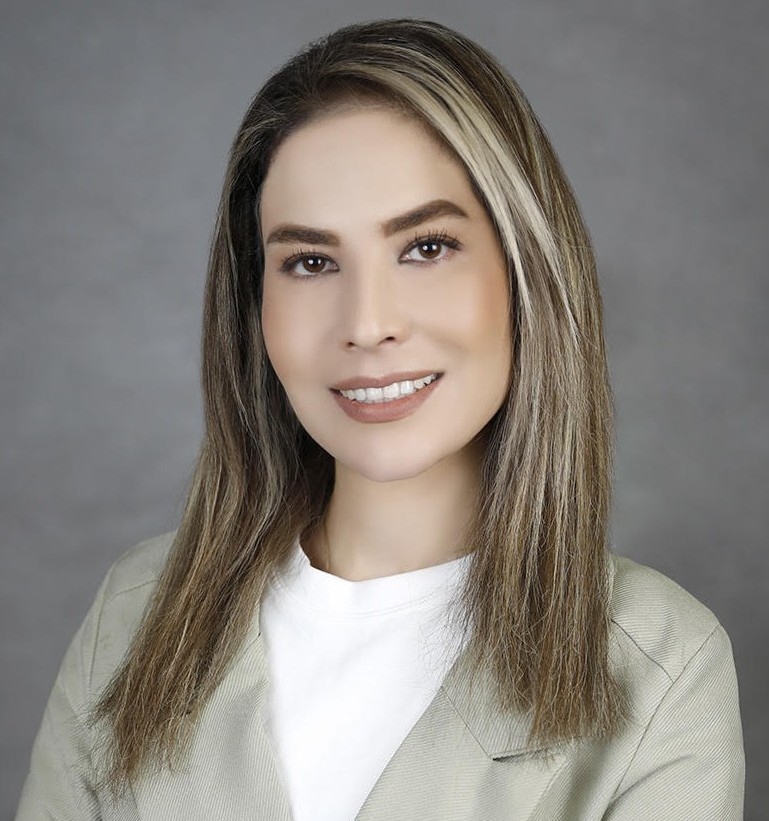
Postdoctoral Fellow
Behnaz Gharakhani Dehsorkhi is a postdoctoral fellow at Wilfrid Laurier University after completing her PhD in Industrial Management and Operations Research at the University of Isfahan in 2023. She uses optimization and data analysis to improve how perishable food reaches remote northern communities. At Wilfrid Laurier University, she develops the Food Distribution Planner, a model that chooses monthly routes for food shipments to communities in the Northwest Territories. It balances cost, carbon emissions, delivery time and food lost in transit. Additionally, she studies how storage and distribution hubs could make northern food supply more reliable. Before starting her postdoctoral fellowship at Laurier, she worked at Université Laval on perishable food supply chains in remote Indigenous communities.
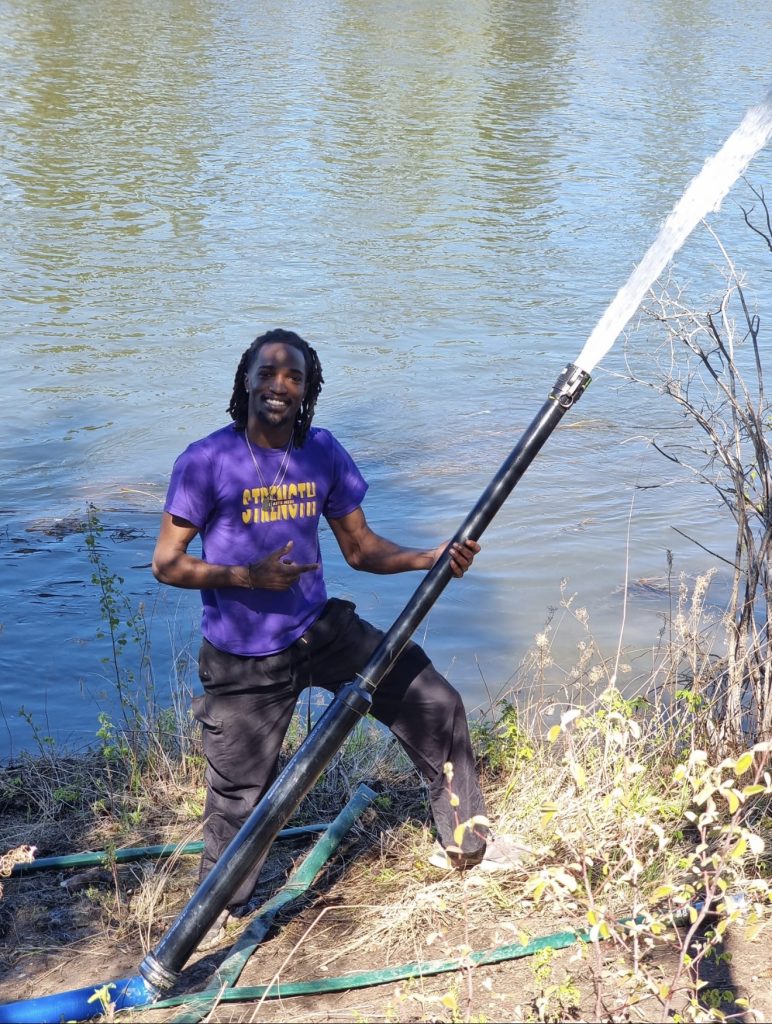
Research Assistant
Ramon Smikle’s research interests lie at the intersection of public health, community well-being, and sustainability, with a particular focus on bridging biomedical and social perspectives on health. Through his work with the Northern Sustainable Food Systems Research Group in Kakisa, Northwest Territories, he has supported community-based food security initiatives, local agriculture, greenhouse development, youth programming, and community engagement. These experiences have strengthened his interest in collaborative research approaches that integrate cultural knowledge, lived experiences, and community priorities into sustainable solutions. He is particularly interested in participatory action research, storytelling, and exploring how social and environmental determinants shape health outcomes and community resilience. Ultimately, he hopes to contribute to research that advances health equity, strengthens community well-being, and connects scientific understanding with meaningful, community-driven approaches. He is most excited about the opportunity to build meaningful relationships, learn from diverse perspectives, and see research translate into tangible outcomes for the communities involved. He values the intersection of scientific inquiry, community knowledge, and lived experiences, particularly how these different ways of understanding the world can come together to create lasting, positive change. Ramon previously completed aBachelor of Science (BSc) in Health Sciences, Minor in Biology at Wilfrid Laurier University in 2026.
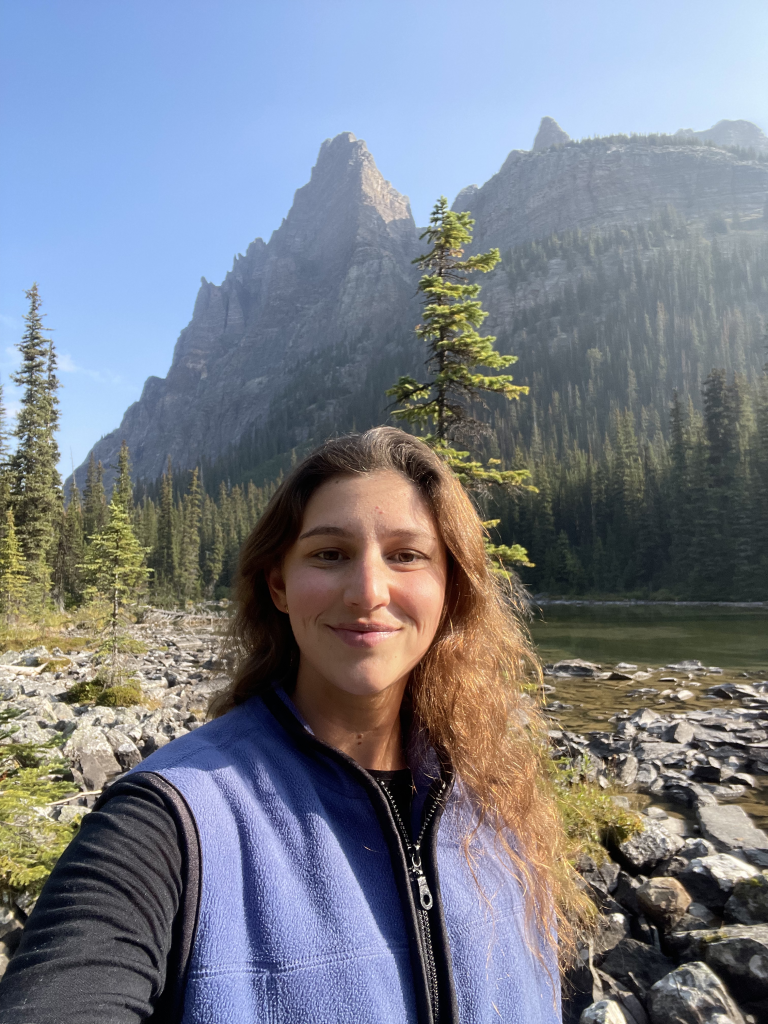
Masters Thesis Student
Lauren Larmon is a Masters of Environmental Studies student at Wilfrid LAurier University. Her research interests include Northern sustainable food systems, which encapsulates Indigenous Food Sovereignty, gender-dimensions of food, food security and nutrition, Land-based education and youth-elder mentorship, traditional medicinal plants and their role in connecting food, land and healing to community. Everything about and with food excites Lauren, and having the opportunity to work somewhere new like Fort Smith in the Northwest Territories, meet new people, and build relationships regarding food work inspires her to help create capacity for more sustainable food systems. She previously completed a BASc inApplied Human Nutrition at the University of Guelph.
Research Associate
Research Associate
Post Doctoral Fellow (PDF)